HDPE vs PEX: Understanding Polyethylene Pipe in San Juan Capistrano

HDPE and PEX are both polyethylene, but they are built for different jobs. Here is how San Juan Capistrano owners can tell them apart.
HDPE and PEX sound similar, and both start as polyethylene, but they are made and used in different ways. One is common for underground lines and larger water service pipe, while the other is a familiar choice for supply lines inside homes. This guide explains San Juan Capistrano HDPE pipe basics and how it compares with PEX. On properties with long yard runs, barns or guest houses, HDPE pipe in San Juan Capistrano can come up when owners plan outdoor water lines.
What HDPE is
HDPE stands for high-density polyethylene. It is a tough, flexible plastic pipe, usually black, sometimes with colored stripes. It is widely used for water mains, service lines, irrigation and some agricultural and industrial work. It comes in coils for smaller sizes and straight lengths for larger ones, and it resists corrosion and many chemicals.
What PEX is
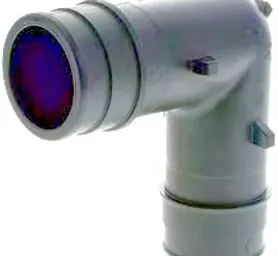
PEX is cross-linked polyethylene. During manufacturing, the polyethylene molecules are linked together, which improves heat resistance and strength at higher temperatures. That is why PEX can carry hot water inside homes. It is flexible, comes in red, blue, white and other colors, and is common for indoor hot and cold supply lines.
How they are joined
HDPE is often joined by heat fusion, where pipe ends are heated and pressed together, or by electrofusion fittings with built-in heating elements. Compression and mechanical fittings are also used for smaller service lines. PEX uses its own fitting systems, such as expansion, crimp, clamp or press fittings, each matched to the tubing type and manufacturer.
Temperature and use
The biggest practical difference is heat. HDPE is generally used for cold water and is not intended for hot water lines inside a home. PEX is rated for both hot and cold within manufacturer limits. Both should be protected from long sun exposure unless the product is rated for it, and both must be installed according to their listings and local code.
Underground lines
For long buried runs, such as a line from a meter to a distant building or a feed to a barn or garden, HDPE is a common choice because it handles soil movement and comes in long continuous lengths. PEX can also be buried in some cases when the product is listed for it. Depth, bedding, tracer wire and protection at driveways are details that affect any underground line.
Strengths and limits
HDPE is very durable, flexible and resistant to corrosion, but it is not meant for hot water and needs specific joining tools. PEX handles heat and bends easily around framing, but it must be kept away from direct sunlight and certain chemicals. Neither rusts, and both can tolerate some freezing better than rigid pipe.
HDPE pipe in San Juan Capistrano
San Juan Capistrano is one of the oldest communities in California, with the Mission, the Los Rios historic district and neighborhoods ranging from older adobe-era properties to 1960s and 1970s tracts and later hillside homes. Equestrian properties, larger lots and homes with guest houses or barns often need long outdoor water lines. Older yards may still have galvanized or copper service lines that have aged. Properties in historic areas may face review for exterior changes, and the City of San Juan Capistrano handles permits. Many neighborhoods also have associations with their own rules.
Marking and records
Buried plastic lines cannot be found with a metal detector, so tracer wire or marking tape is often placed with them. Keeping a sketch of where outdoor lines run, with rough measurements from fixed points such as the house corner or a fence post, saves time later. It also helps prevent damage when someone digs for fencing, trees or a new patio. Calling 811 before digging is a good habit for any underground work, since it marks public utilities near the property.
Choosing for a project
The right pipe depends on the job: indoor hot water, a short yard line, a long buried run or an irrigation main. Ask what material is proposed, why it fits that use, how joints will be made and whether the product is listed for drinking water where needed.
A quick wrap-up
HDPE and PEX are cousins, but they serve different purposes. Understanding San Juan Capistrano HDPE pipe basics, and knowing where HDPE pipe in San Juan Capistrano fits best compared with PEX, helps you plan outdoor and indoor water lines with clear expectations.
Quick takeaways
- HDPE is high-density polyethylene, mostly for cold water and buried lines.
- PEX is cross-linked polyethylene, rated for hot and cold indoors.
- HDPE is often heat fused; PEX uses matched fitting systems.
- Long yard runs and barns often call for buried line planning.
Related reading
On this site, see water pipe materials compared and repiping older homes. Neighbors can visit Dana Point, Laguna Niguel and Mission Viejo, or browse every city at repipeinc.com.
Planning HDPE pipe in San Juan Capistrano?
Request a free quote and talk with a licensed C-36 plumbing contractor about your water lines. Get my free quote. Our AI system alerts a technician instantly, so you get a fast callback.
Repipe OC, 23821 Hillhurst Drive, Laguna Niguel, CA 92677, (949) 524-2362, CSLB #1087885 C-36.
Repipe OC near you
Not in San Juan Capistrano? The same crew serves nearby cities. See all Orange County service areas at repipeinc.com, or jump to a neighboring city:
 Written by Repipe OC · CSLB #1087885 C-36 · 23821 Hillhurst Drive, Laguna Niguel, CA 92677 · (949) 524-2362